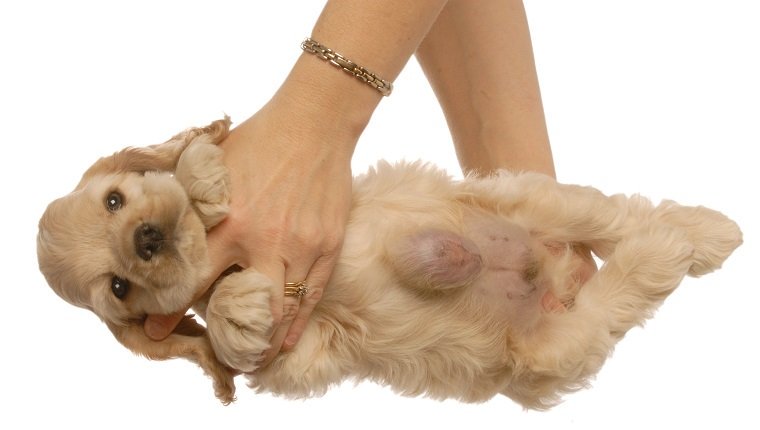
Did you know that dogs can get hernias like people can? A hernia doesn’t necessarily from lifting something wrong. A hernia can also develop for different other reasons. It’s important to always watch your dog for signs of discomfort and pain and to notify your vet if you see anything. Hernias have a tendency to happen when there is a tear in the wall of muscle. This tear can enable internal organs or other tissue behind the muscle to push through. The tear can come from trauma, playing too rough, moving the wrong direction, etc. Types of hernias include the umbilical, inguinal, diaphragmatic, perineal, and hiatal hernia. Common signs to watch for include a soft protruding mass in the abdomen area. Other symptoms may also include coughing, lack of appetite, drooling, shortness of breath or vomiting. Learn more by calling your vet Cherry Hill, NJ.
 Helalth Care