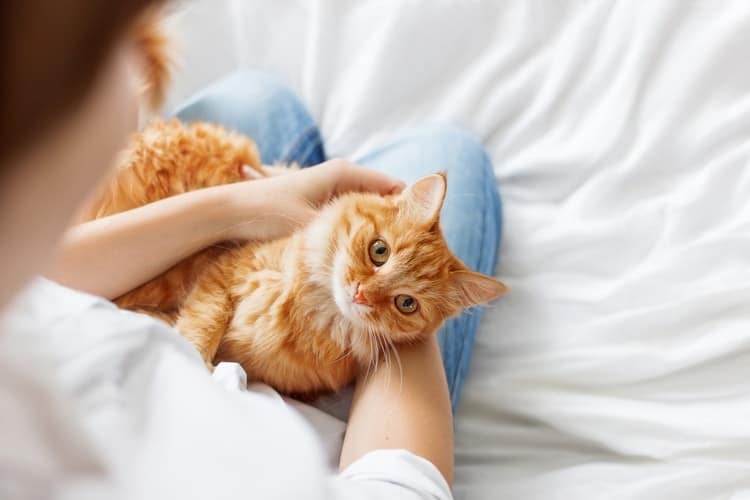
Due to the outdoorsy nature of cats (among other things), cats tend to get tapeworms, hookworms, and roundworms which are the top typical intestinal worms that can affect cats. Heavy worm infestation could lead to vomiting, diarrhea, as well as poor appetite. Moreover, cats that are heavily infected by intestinal worms usually have an unclean appearance. To prevent complications, cats must have a yearly parasite treatment program that will protect them from the most typical intestinal parasites out there. Such a parasite treatment program would generally include worming of a cat every 2 weeks until the cat has reached 12 weeks of age. After that, there would be a monthly session until the cat reaches 6 months of age. From the 7th month onwards, the must get a deworming every 3 to 4 months to have consistent protection against parasites. Cats can get worms when they ingest parasite eggs from the environment, or from a mother cat’s milk. Work with your vet Gresham, OR in creating a preventive health program that will include protecting your dog against parasites.
 Helalth Care