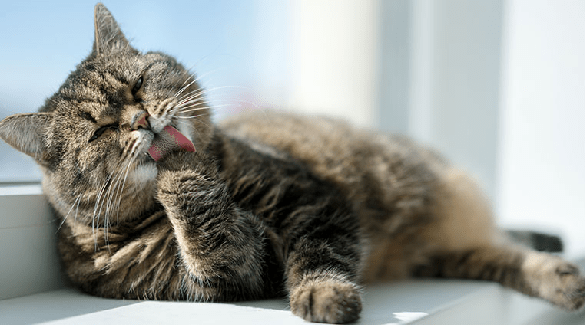
Some common health issues that can affect senior cats can be managed with diet. But before you go on making changes to your pet’s diet, you should talk to your veterinarian so your cat can be examined thoroughly and any underlying health issues can be addressed appropriately.
Muscle loss — Senior cats suffering from diabetes mellitus, hyperthyroidism, or chronic kidney problems can experience muscle loss. Sometimes, the problem is brought about by a diet that is low in protein. If your cat is given a clean bill of health by your vet, feeding a high-protein, low-carbohydrate diet may correct the issue.
Overweight or obesity — Senior cats that are overweight or obese may benefit from a high-fiber, low-fat, low-calorie diet. This can encourage the mobilization of fat and consequent weight loss.
Eating and drinking less — If your cat is not eating or drinking as he should, there’s a need to rule out any health issue before you can try tweaking your pet’s diet. If it’s not a medical issue, try warming your pet’s food for about 10 seconds in the microwave. The heat enhances the pet food’s smell and flavor.
A sudden change in your pet’s eating habits and appetite should require an appointment with your animal clinic Tampa, FL. Click here to learn more.
 Helalth Care