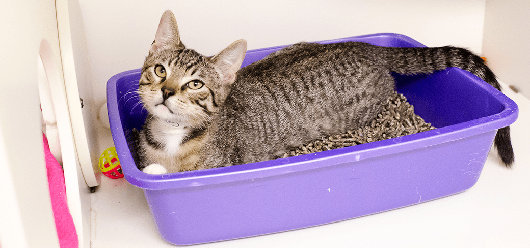
A cat’s behavior can be a telltale sign of a medical problem that may require further assessment by a veterinarian. A cat that refuses to defecate in its litter box should be brought to a veterinary clinic to be examined thoroughly. A clinical impression of either feline lower urinary tract disease or FLUTD or a colonic disease can be made based solely on a cat’s litter box avoidance.
FLUTD can manifest as difficulty and pain when urinating accompanied by frequent urination or voiding and in some cases, traces of blood are present in the urine. Both male and female cats are equally predisposed to develop this condition however, male cats often suffer from serious complications like an obstruction in the urinary tract. A weak urine stream and straining upon urination are definite symptoms that point to a diagnosis of FLUTD. Prompt consultation with a veterinarian should not be delayed since FLUTD can become an emergency condition.
A clinical assessment of your pet’s condition doesn’t end with simply ruling out the most likely medical conditions related to the behavior. You should closely monitor your pet to determine the exact cause of why your cat doesn’t want to use its litter box. It is recommended that you bring your pet to your professional veterinarian Aurora CO for a thorough checkup.
 Helalth Care