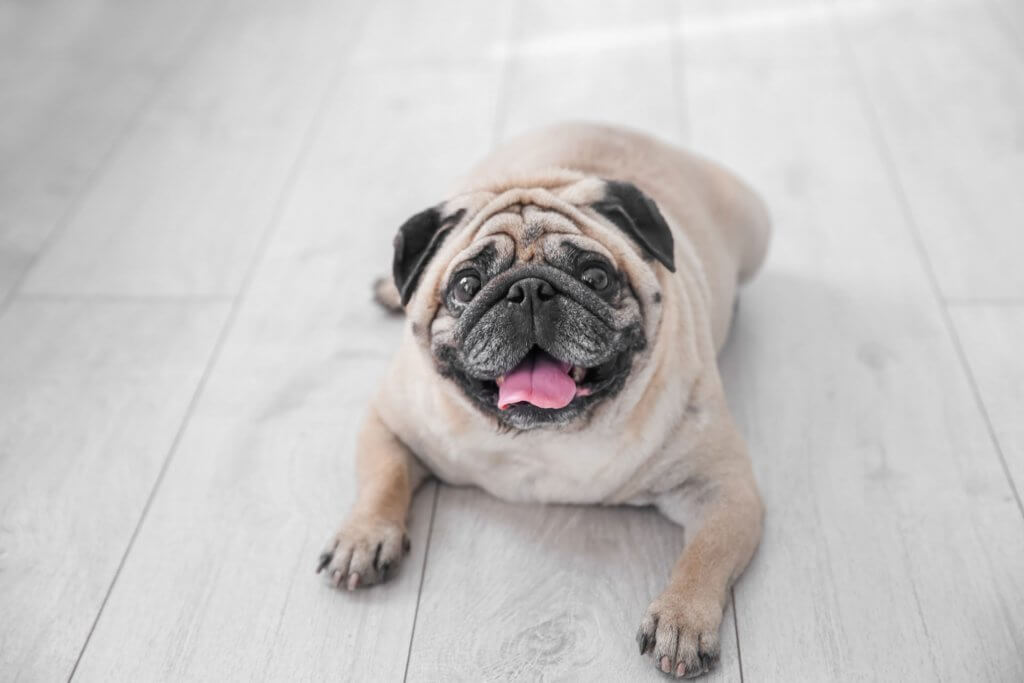
Dogs that become overweight or obese are more predisposed to serious illness than dogs with normal or optimal weight. If you’ve been suspecting your dog to be gaining weight, work closely with a vet or a pet nutritionist to create a weight loss regimen that would help your pet safely get back in shape and lose the excess weight. Your veterinarian will have to assess and perform a thorough examination of your pet before prescribing a personalized weight loss diet, as well as a guide for its physical activities. The weight loss diet emphasizes an intake of high dietary protein, but with reduced carbohydrate and fat percentages. The purpose of the diet is for the body to have relative ease in utilizing stored fats while also enhancing the body’s metabolism. Supplementation with essential vitamins can also be indicated in the diet to further boost the muscle’s ability to burn body fat. Vitamin A achieves this by decreasing the production of the hormone, leptin. If leptin stores are low, fat cell production can be reduced. Diabetic pets may need a more specialized weight loss diet, and hence should first be consulted with a veterinarian Virginia Beach, VA. Visit this site for additional information.
 Helalth Care