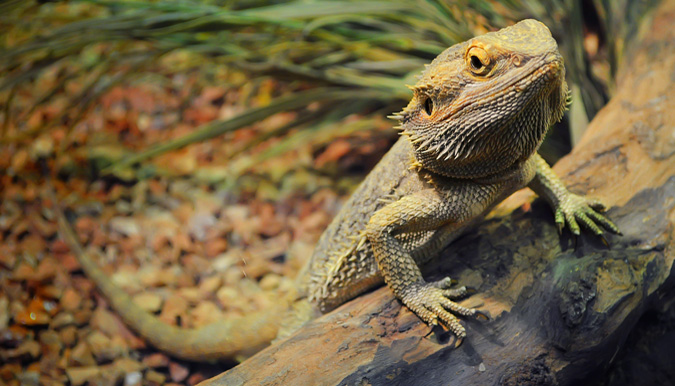
Pet reptiles are usually at risk for different health problems even though they are kept indoors. The best method to help your pet in avoiding illnesses is the provision of an environment that is stable enough and not able to host disease-causing pathogens. Keep the vivarium odor-free and clean, water and food dishes included. The proper humidity and temperature within the enclosure must be maintained to boost the immune system of your pet. Too hot can inflict burns which in turn may get bacteria-infected. If the enclosure becomes too damp, it creates an environment capable of hosting and cultivating bad bacteria. Also, remember to wash your hands if you are going to handle your pet, and also after handling. This will prevent the possibility of transferring illnesses and pathogens over to the pet and others.
Below are the five viral infections common to reptiles:
- Poxvirus infection – Tortoises and lizards that are affected will appear to have skin lesions throughout their bodies, with most of these lesions found on the head.
- Iridovirus infection – This virus targets the reptile’s red blood cells, leading to anemia. Damage to the liver, kidney, and spleen tissues is also possible.
- Herpesvirus infection – The common signs of infection with this virus are eyelid swelling, nasal discharge, appetite loss, weakness, and food regurgitation. Cases that are severe enough may lead to nervous system problems and pneumonia.
- Flavivirus infection – This virus can infect your pet if it ingests infected insects. If affected, the reptile develops liver diseases, mouth inflammation, encephalitis, and eventually could result in death.
- Adenovirus infection – This virus commonly affects bearded dragons and king snakes. The usual symptoms are weight loss resulting from appetite loss, lesions found on the intestines and liver, and abnormally high levels of liver enzymes.
If there are abrupt changes to your pet’s health and behavior, schedule an appointment with your veterinary hospital Bowmanville, ON.
 Helalth Care