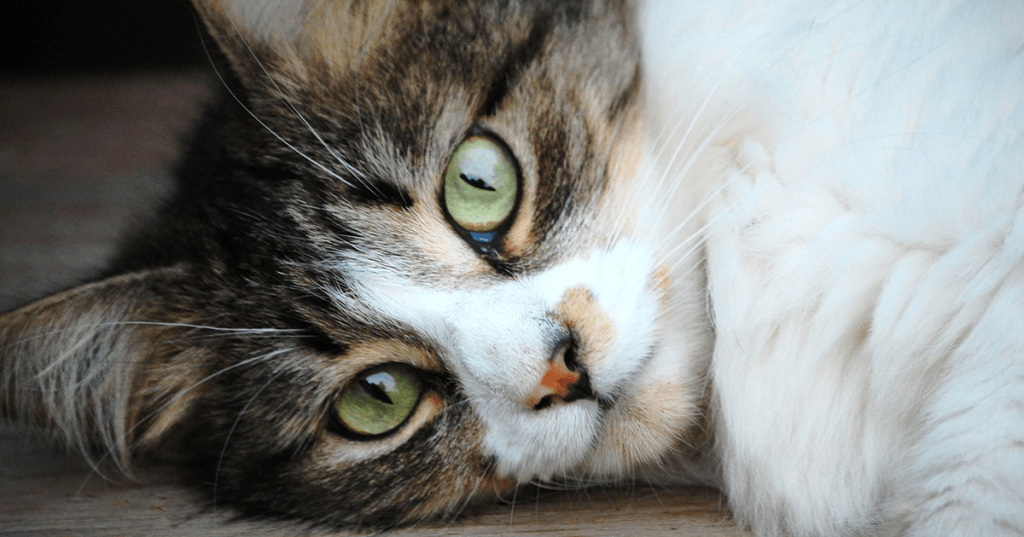
Behavioral changes will happen as your pet cat ages. These are often direct effects of physiological changes that are also happening. Aging cats gradually adapt to these changes, so unless you would be specifically looking out for these on purpose, you might not notice the indicators. You might notice your aging cat sleeping more, staying indoors more, hunting less, and just generally becoming more sedentary. She will have a decreased propensity to groom and play, will likely become fussier with food, and might become more vocal. Also, cats of this age would likely develop insecurities, possibly becoming increasingly reliant on you.
Various other changes in an aging cat’s behavior could manifest due to illness. An increase in appetite or thirst could occur. They could also become aggressive due to pain.
You would probably not have to make major home modifications just to accommodate your pet cat as she ages. But implementing small changes could significantly improve her quality of living. If you notice your cat staying on just one level of your home for extended periods, then she might be having trouble going up or down stairs. Be sure that the level she favors has all her needs if this is the case.
Your senior pet will benefit from regular health and wellness checks at your veterinary hospital Fayetteville, NC. Click here to know more about their services.
 Helalth Care