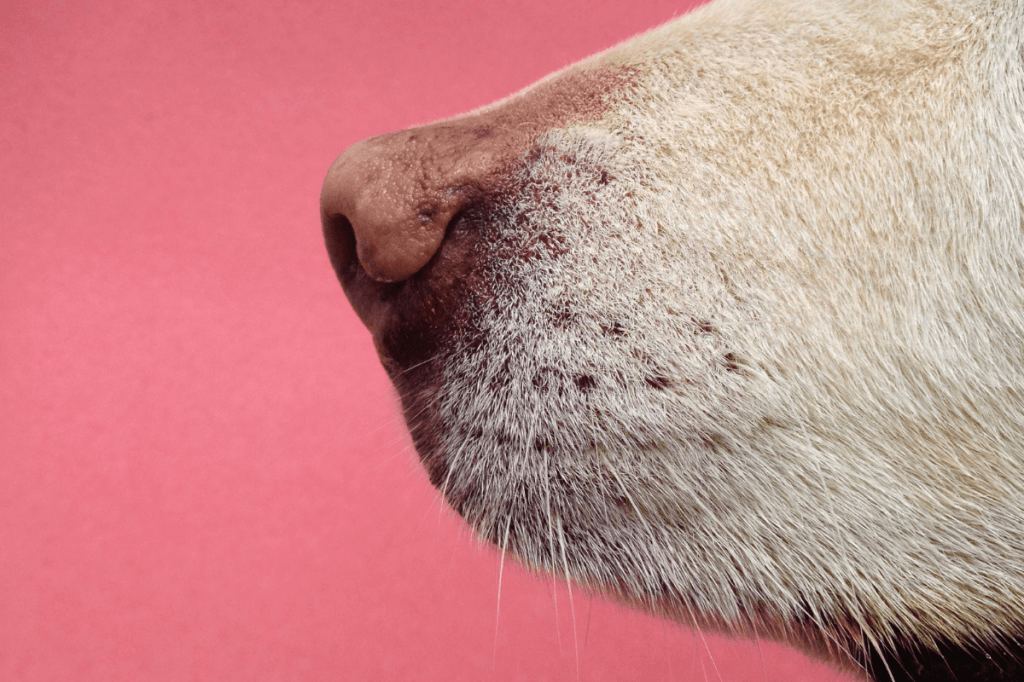
You will be amazed if you examine the anatomy and process involved in a dog’s nose. Pet owners do not know many things about a dog’s nose and canines’ expertise in smelling. Below are some exciting facts about dogs’ olfactory abilities.
Dogs have a unique scent processing center in their body. When a pup sniffs, the detected odor is relayed to the brain’s olfactory bulb, an area dedicated to recognizing and processing odors. A dog’s vomeronasal organ, located at the back of the front teeth, senses pheromones, chemical substances produced by dogs and other animals that convey various messages. For instance, a dog may collect pheromones released by other dogs that feel threatened, indicating imminent danger. The pheromones travel via the nose into the olfactory tissues. This organ also essentially allows canines to taste particular scents. No wonder dogs are tapped to assist law enforcement agencies in detecting illegal substances.
Your veterinarian Castle Hills TX is a valuable resource regarding issues affecting your pet’s health and well-being.
 Helalth Care