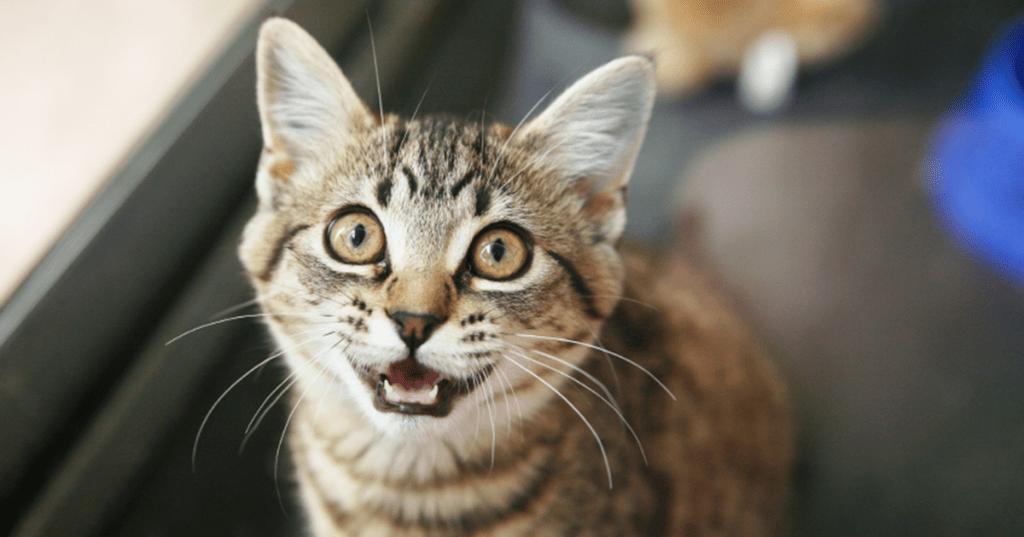
Meowing and yowling are common ways that cats communicate with their human companions. However, excessive meowing or yowling can be annoying or disruptive and may indicate that the cat is experiencing stress or needs something. Here are some tips to help address meowing and yowling in cats:
- Determine the cause: Excessive meowing or yowling can be caused by a variety of factors, including hunger, thirst, boredom, or the need for attention. Identifying the cause of the behavior can help you determine the best course of action.
- Respond appropriately: If your cat is meowing or yowling due to hunger or thirst, make sure they have access to food and water. If they are bored, try providing them with toys or additional stimulation. If they seek attention, try giving them quality time and affection.
- Ignore the behavior: If your cat is meowing or yowling for attention, ignoring the behavior can sometimes be the most effective way to stop it. This means not responding to the meows or yowls with attention or rewards.
- Establish a routine: Cats thrive on routine, so establishing a regular feeding, play, and sleep schedule can help reduce meowing and yowling behavior.
- Consult with a veterinarian or behaviorist: If your cat’s meowing or yowling is excessive or seems to be caused by an underlying medical or behavioral issue, it is a good idea to consult with a veterinarian or a feline behavior specialist for advice.
Determining the cause of the meowing or yowling behavior and responding appropriately can help reduce or eliminate this behavior in your cat.
Take a proactive approach to your pet’s health with regular health and wellness checks at your animal hospital Louisville, KY.
 Helalth Care