Boredom, anxiety, and stress can all contribute to hyperactivity in cats. A bored cat could get restless and engage in play or attention-seeking behavior to get her fix. Similarly, when a cat is anxious or stressed, she may display hyperactive behavior as a coping mechanism.
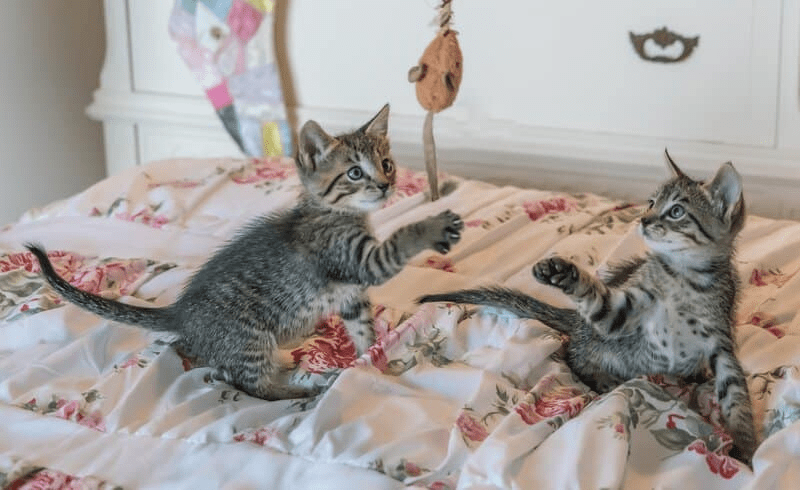
It’s important to provide your cat with plenty of mental and physical stimulation to prevent boredom. This can include interactive toys, puzzle feeders, and scratching posts. Additionally, establishing a routine can help reduce stress and anxiety in cats.
It’s critical to determine and treat the underlying cause if your cat is acting hyperactively as a result of stress or worry. Creating a secure and comfortable setting, minimizing stressors, and sometimes turning to medicine or behavior modification methods are some ways to do this.
In conclusion, boredom, anxiety, and stress can all contribute to hyperactivity in cats. Providing plenty of mental and physical stimulation and addressing underlying anxiety or stress can help manage a cat’s hyperactivity.
If you have any concerns about your pet’s health and/or behavior, make an appointment with an animal hospital Dawsonville, GA.
 Helalth Care