Although social contacts and connections can contribute to cat hyperactivity, they are not the only factor. During interactions with humans or other cats, certain cats may experience overstimulation, resulting in hyperactive behavior. It’s important to monitor your cat’s behavior during social interactions and provide plenty of opportunities for rest and relaxation.
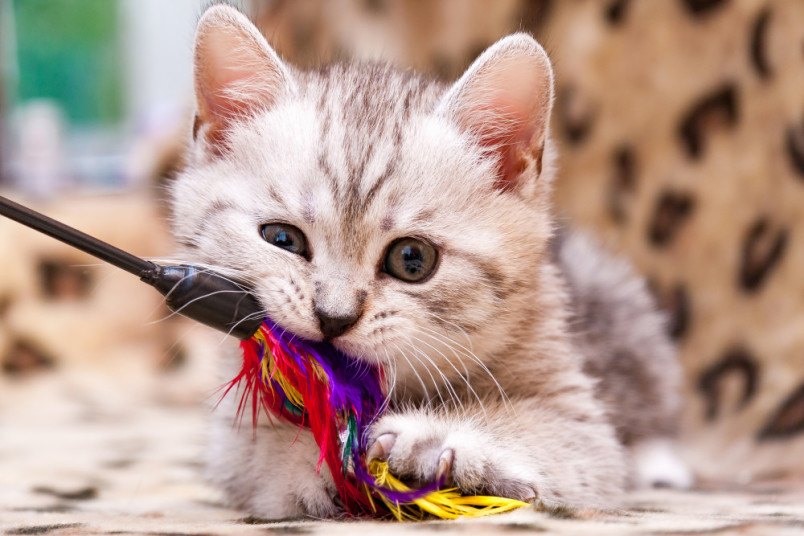
Additionally, if a cat lacks socialization, she may display hyperactive behavior out of boredom or frustration. Felines must be allowed to interact with people and other animals from an early age in order to enhance their social skills. Yet, heredity, diet, and environmental variables can also influence a cat’s hyperactivity.
In conclusion, social relationships and interactions can contribute to hyperactivity in cats, but it is not the only factor. Proper socialization and monitoring can help manage your furry friend’s hyperactivity, but identifying the underlying cause is important for effective management.
Your vet Clarkesville, GA is a valuable resource regarding issues affecting your pet’s health and behavior.
 Helalth Care